
| Key Points |
|---|
| Coal emits large quantities of CO₂ when burned for electricity generation. Moreover, every stage of its lifecycle—from mining and transport to combustion and waste disposal—causes environmental damage. Ending coal-fired power as part of climate action would also help address other environmental problems, protect public health and safeguard healthy, liveable communities. |
The main driver of climate change is the carbon dioxide emitted when fossil fuels are burned. Fossil fuels include coal, oil and natural gas. At thermal power plants, these fuels are burned to heat water and produce steam, which drives a turbine to generate electricity. The basic process is the same regardless of the fuel used. However, coal-fired generation emits substantially more CO₂ than generation using other fossil fuels. It also releases large quantities of other air pollutants, placing a particularly heavy burden on the environment.
Coal power emits about twice as much CO₂ as natural gas
Because of its chemical composition, coal contains a high proportion of carbon and releases large quantities of CO₂ when burned. Per kilowatt-hour, oil-fired generation emits 721 g of CO₂, conventional gas-fired generation 415 g, and coal-fired generation 867 g—about twice the gas-fired level (Fig 1). Under government policy, Japanese power-plant manufacturers have competed to improve the efficiency of coal-fired power generation. Subcritical (Sub-C) and supercritical (SC) technologies were predominant in the 1960s and 1970s. In the 1990s, ultra-supercritical (USC) coal-fired power plants were introduced (Fig 2). Unfortunately, even major improvements in efficiency reduce CO₂ emissions by only about 15%. At best, this brings emissions from coal down to roughly the level of oil-fired power generation. This is why many countries have chosen to phase out coal-fired power first.
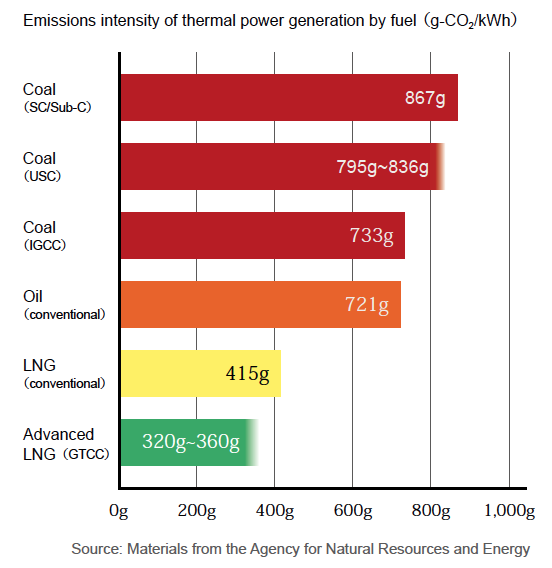
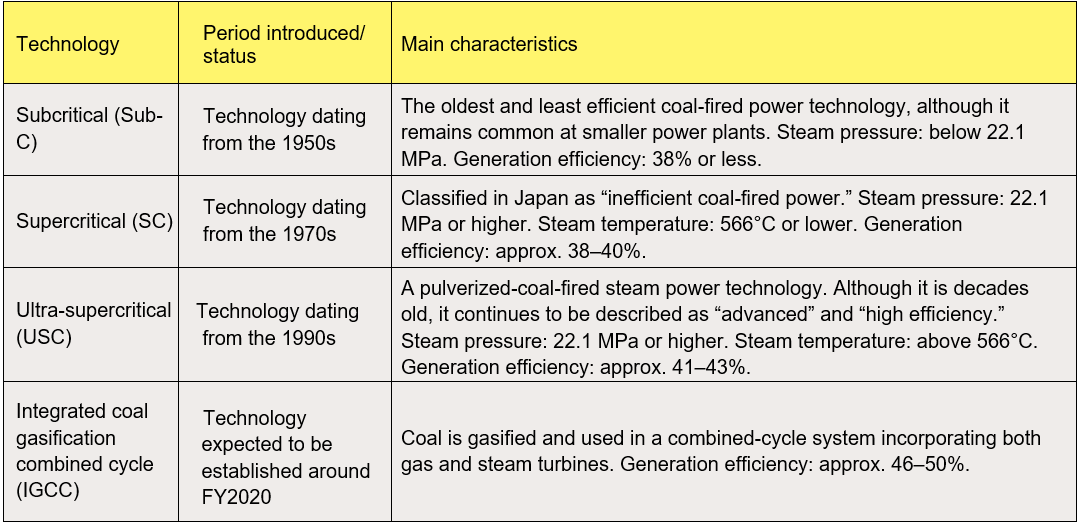
Source: Prepared from the Ministry of the Environment’s Factsheet on Coal-fired Power Exports 2020, materials from the Agency for Natural Resources and Energy, and other sources.
The myth of “clean coal”: Clean coal does not exist
The government and power companies say they aim to reduce greenhouse gas emissions from coal-fired power plants by improving efficiency and developing “zero-emission” technologies. Yet regardless of claims that coal power is “clean,” all coal-fired power plants continue to emit large quantities of CO₂. No method has been established that eliminates CO₂ emissions from coal use. Addressing the climate crisis requires more than marginal reductions in CO₂ emissions. It requires a decarbonized society that brings those emissions down to zero. That means ending coal-fired power generation and transitioning to new sources of energy.
Mining
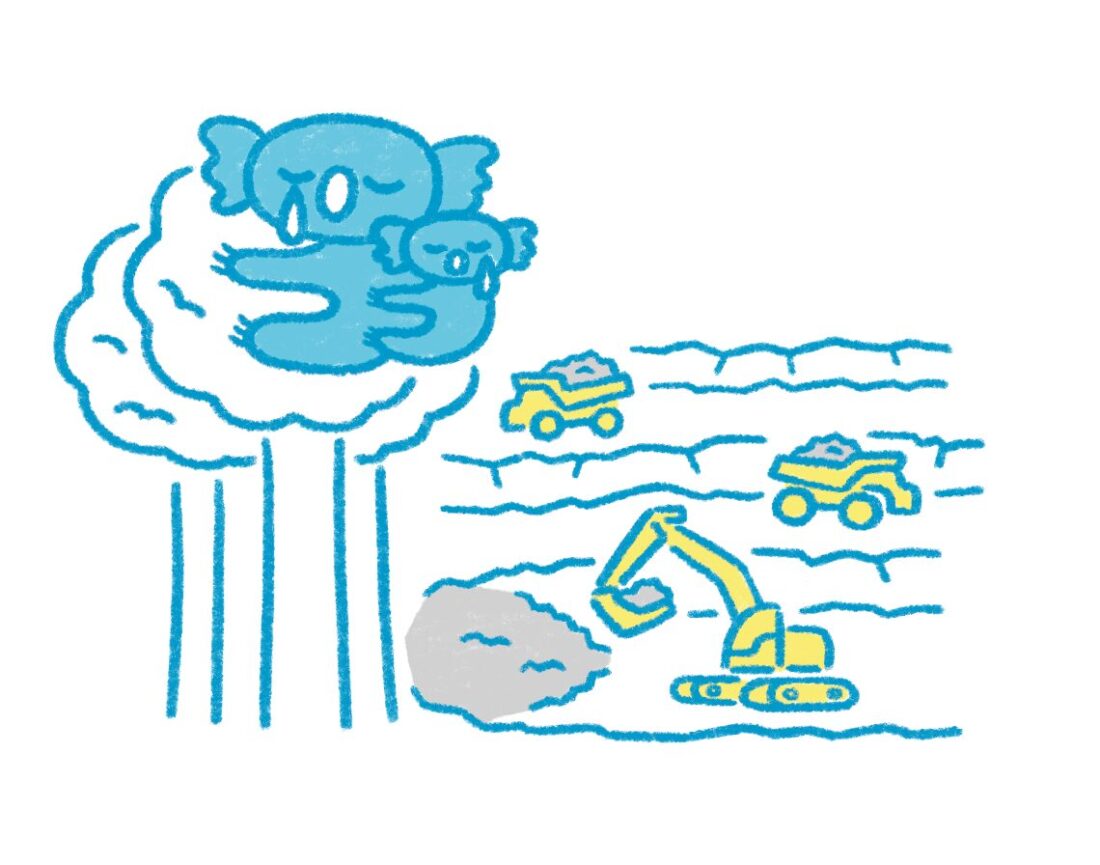
Coal mining causes many forms of environmental destruction. In Australia, Japan’s largest source of imported coal, coal-mine development has in some cases destroyed forests inhabited by koalas and damaged surrounding ecosystems.
Transport
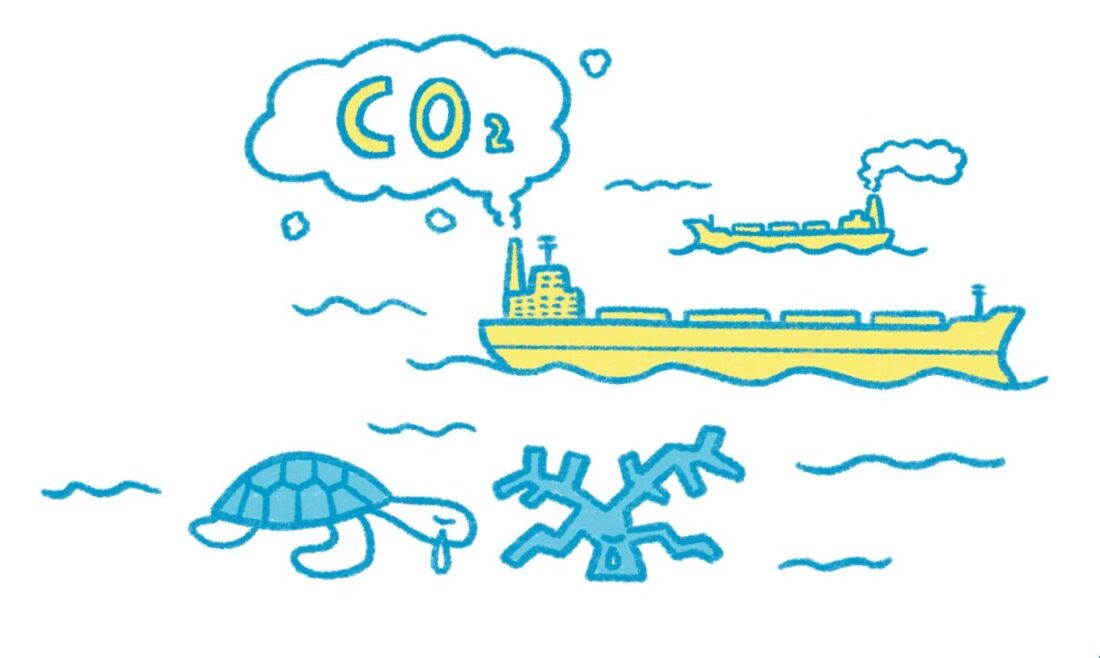
Large quantities of coal are transported by ship and truck. Transport itself generates CO₂ emissions. Port development associated with coal transport has also damaged rich marine ecosystems, including areas of the Great Barrier Reef.

Storage
Coal is often stored in uncovered outdoor stockpiles. On windy days, coal dust and soot can become airborne and spread through surrounding communities.
Power generation
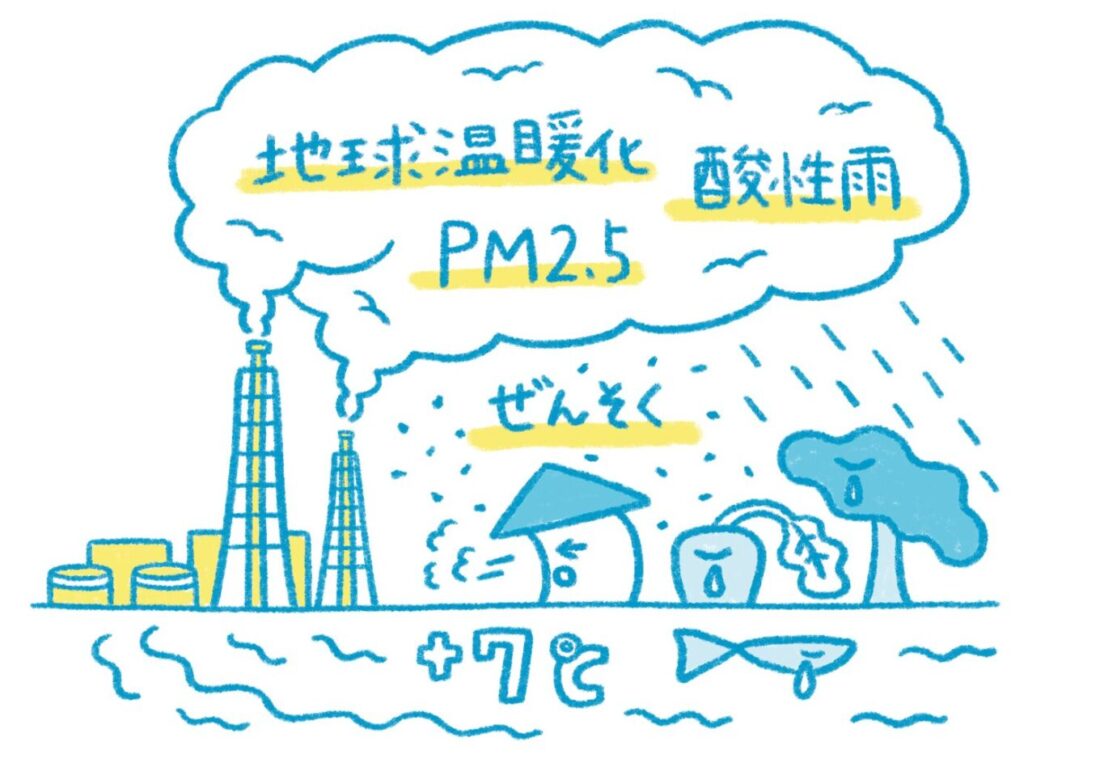
In addition to producing large quantities of CO₂, burning coal emits sulfur oxides, nitrogen oxides and particulate matter, including fine particles such as PM2.5. These pollutants can also contribute to respiratory illnesses such as asthma. Coal-fired power plants also use large volumes of water for cooling. This water may be discharged back into the sea at temperatures up to 7°C warmer than the receiving seawater, affecting the surrounding marine environment.
Waste disposal
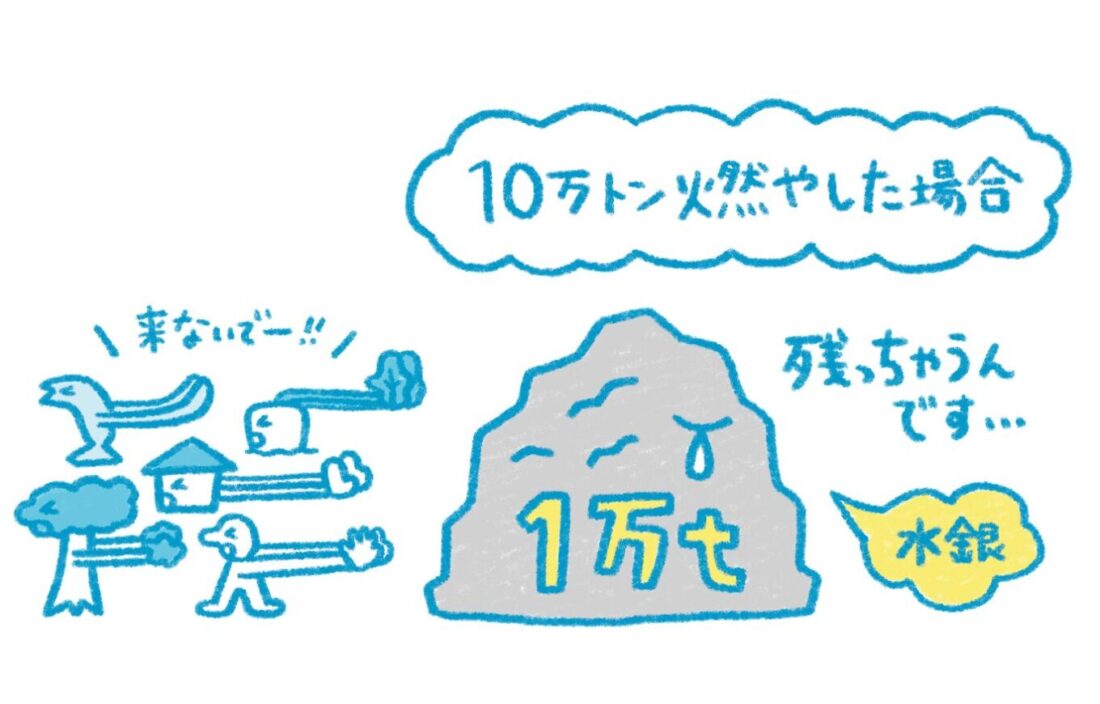
After coal is burned, coal ash equivalent to approximately 10% of the coal’s original weight remains. Some coal ash is mixed into cement and used for other purposes. However, it may contain harmful heavy metals, and finding suitable uses or disposal sites for the large quantities generated is becoming increasingly difficult.
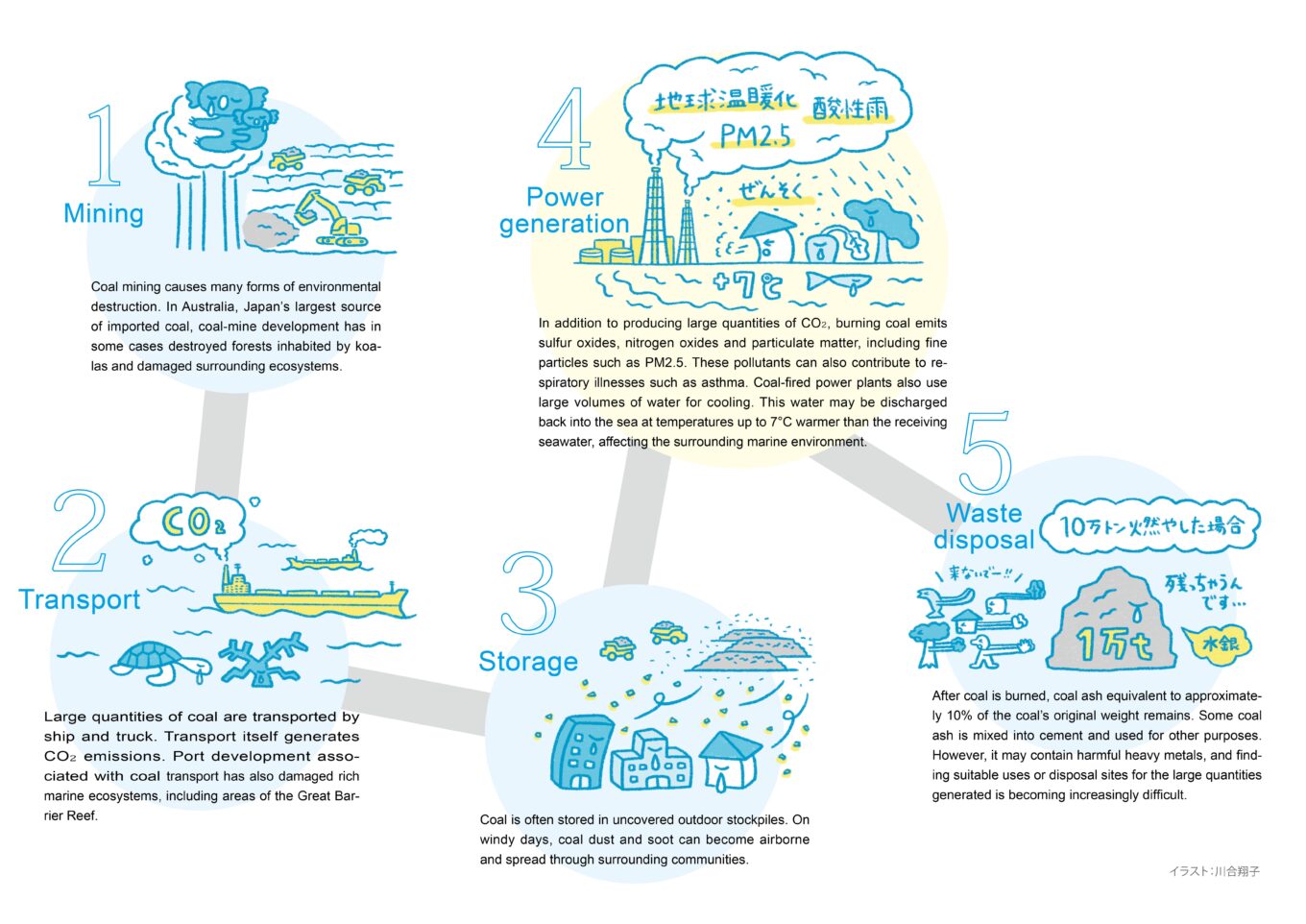
Coal-fired power plants affect far more than the climate. Coal causes air and water pollution, while mining, transport, and other stages of its lifecycle result in many forms of environmental destruction.
Published September 2020.
The original Japanese version is in PDF.